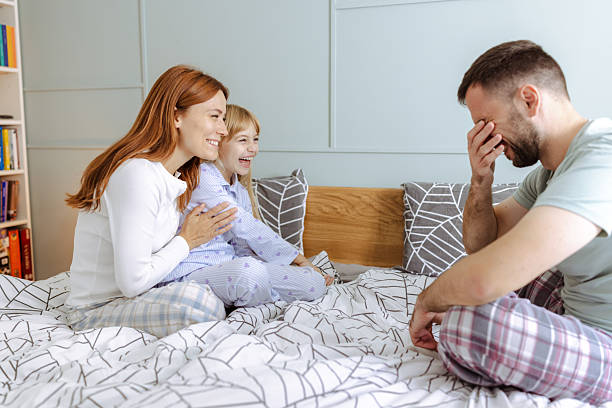
Creating a peaceful bedroom is one of the kindest things you can do for your relationship. When life feels busy and noisy, coming home to a calm, uncluttered space together makes all the difference. Minimalist bedroom design offers couples exactly that — a simple, intentional sanctuary that prioritizes comfort, connection, and rest.
If you’re tired of stepping over clothes or struggling to find harmony in a crowded room, minimalist inspiration might be the fresh start you need. This approach isn’t about cold emptiness. It’s about keeping only what truly serves your shared life and letting go of the rest.
Why Minimalist Bedrooms Work Wonders for Couples
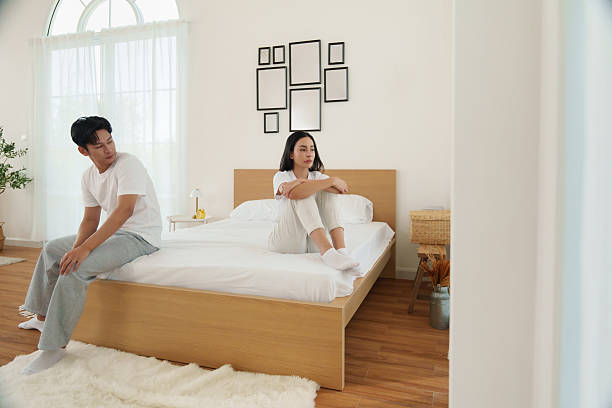
Sharing a bedroom means balancing two personalities, tastes, and habits. Minimalism helps by removing visual noise that can create subtle tension. A clean, airy space feels more equitable and easier to maintain together.
Many couples notice they argue less about small things once the bedroom feels organized. The room becomes a place for reconnection rather than distraction. Mornings feel smoother, evenings more relaxing, and intimacy more natural when surroundings support calm rather than chaos.
Beyond the emotional benefits, minimalist rooms are often more practical for daily living. Less furniture means easier cleaning, which is a real gift when both partners work or manage busy schedules.
Core Principles of Minimalist Bedroom Design
At its heart, minimalist design focuses on purpose and quality. Every item in the room should have a clear reason for being there.
Start by editing what you already own. Keep pieces that are functional, beautiful, or meaningful to both of you. Remove anything broken, unused, or that creates visual clutter.
Focus on clean lines, good breathing room around furniture, and thoughtful negative space. The goal is a room that feels spacious even if square footage is limited.
Choosing the Right Color Palette
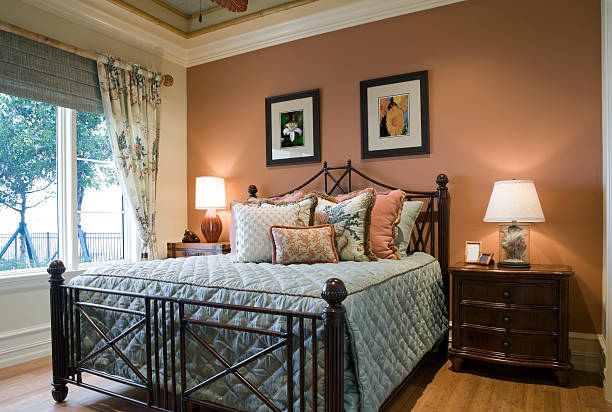
Neutral tones form the foundation of most successful minimalist bedrooms. Soft whites, warm beiges, gentle greiges, and muted taupes create a soothing backdrop that works for almost any couple.
Many couples love layering different textures in similar tones — think linen bedding, a wool throw, and cotton curtains. This prevents the space from feeling flat while staying minimalist.
If you both crave a touch of color, consider adding one accent hue in small amounts. Soft sage green, dusty blue, or warm terracotta can appear in a single pillow, piece of art, or plant without overwhelming the calm atmosphere.
Pro tip: Test paint samples on the wall and observe them at different times of day. Natural light changes everything.
Essential Furniture for a Shared Space
In minimalist couple bedrooms, less really is more. A good-quality bed with a simple frame takes center stage. Choose platforms or low-profile designs that keep the room feeling open.
Nightstands should be modest — perhaps matching or complementary pieces that each partner can personalize slightly. A single dresser or a built-in closet system often replaces multiple bulky storage units.
Many couples successfully use a comfortable reading chair or small bench at the foot of the bed instead of extra side tables or ottomans. Every piece should earn its place by serving daily needs.
Lighting That Sets the Mood
Lighting makes or breaks the minimalist bedroom experience. Layered lighting allows flexibility for different activities and times of day.
Start with ambient light from a simple ceiling fixture or flush mount. Add soft task lighting with matching table lamps on either side of the bed. Many couples also incorporate dimmable wall sconces or LED strip lights hidden behind the headboard for cozy evenings.
Natural light matters too. Keep window treatments simple — sheer curtains during the day paired with room-darkening blinds for better sleep.
Smart Storage Solutions
Clutter is the enemy of minimalism, especially in shared spaces. Clever storage keeps belongings out of sight while remaining easily accessible.
Consider beds with built-in drawers or a low-profile storage bench. Wall-mounted shelves can display a few carefully chosen items without eating floor space. Closet organizers and under-bed containers help maximize every inch.
One couple I know installed simple floating nightstands with drawers, eliminating the need for traditional tables and gaining valuable storage. Small changes like these make daily tidying effortless for both partners.
Adding Warmth Without Clutter
Minimalist doesn’t mean sterile. You can create incredible warmth through texture and a few meaningful objects.
Soft textiles — plush rugs, quality bedding, and throws — invite touch and comfort. A single piece of meaningful artwork above the bed can serve as a focal point that tells your story as a couple.
Indoor plants bring life and improve air quality. Choose low-maintenance varieties like snake plants or pothos that thrive with minimal attention.
Personal photos work well when edited down to a small gallery wall or displayed in matching simple frames on a dresser.
Real-Life Minimalist Bedroom Examples
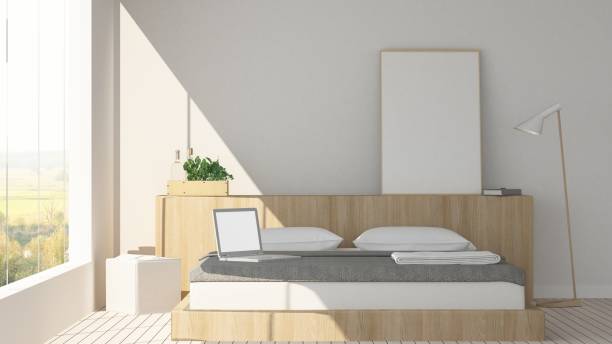
The Neutral Haven: A couple in a small city apartment painted their walls warm white and chose a wooden platform bed with linen bedding. They added two matching ceramic lamps and one large abstract painting. Floor-to-ceiling curtains softened the space while a jute rug grounded it. The result feels spacious and hotel-like.
The Japandi-Inspired Retreat: Another pair blended Japanese minimalism with Scandinavian warmth using light wood tones, soft gray walls, and plenty of natural textures. They kept only the bed, two nightstands, and a low dresser. A single monstera plant and woven wall hanging provided gentle personality.
The Cozy Modern Look: For couples who want more softness, layering different neutral textiles while maintaining clean lines creates inviting spaces. Think cream walls, a charcoal bed frame, and multiple textured pillows in varying shades of beige.
How to Transform Your Bedroom
Ready to begin? Start small. Spend one weekend decluttering and moving furniture around. Take before and after photos to stay motivated.
Create a shared vision board or Pinterest board together. Discuss what you both find calming and what items you’re emotionally attached to. Finding compromise makes the final space truly yours.
Shop intentionally. Invest in fewer, higher-quality pieces rather than filling the room quickly. Remember that the empty space between objects is just as important as the objects themselves.
Conclusion
A minimalist bedroom for couples isn’t about following strict rules or creating a showroom. It’s about designing a peaceful environment that supports your relationship and daily well-being. When you strip away excess, what remains is a space that truly feels like home — calm, comfortable, and deeply personal.
Take your time with the process. Small, thoughtful changes often create the biggest impact. Your bedroom should be the place where you both feel most relaxed and connected. With minimalist inspiration, that goal becomes beautifully achievable.
FAQs
How do we compromise on style if our tastes differ? Focus on shared goals like calmness and functionality first. Choose neutral basics both of you like, then allow small personal touches on each side of the bed.
Can minimalist bedrooms work in small spaces? Absolutely. Minimalism often works better in smaller rooms because it maximizes the perception of space. Clever storage and multi-functional furniture are especially helpful.
What’s the best way to keep a minimalist bedroom tidy long-term? Create simple daily habits together. Make the bed each morning, put clothes away immediately, and do a quick 10-minute reset before bed. Shared responsibility makes it sustainable.
Should we remove all decor to achieve minimalism? Not at all. Keep meaningful items that bring joy to both of you. The key is being selective and avoiding decorative clutter.
Is minimalist design expensive? It can actually save money. By buying fewer, better-quality pieces and avoiding impulse purchases, many couples spend less overall while creating a more beautiful space.
