Introduction
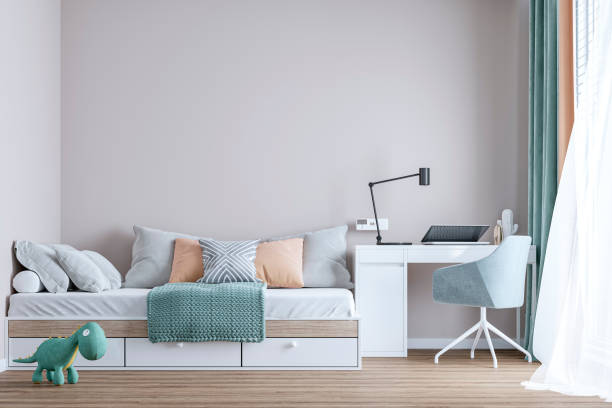
Creating a space where kids feel happy, safe, and inspired is every parent’s goal. A well-designed room does more than just look good — it supports creativity, rest, and growth. That’s why so many families are now paying close attention to modern kids room decor trends when planning or updating their child’s space. Gone are the days of just picking a cartoon theme and calling it done. Today’s kids’ rooms are smarter, more flexible, and honestly, more fun than ever before.
What Makes a Kids Room Truly Modern?
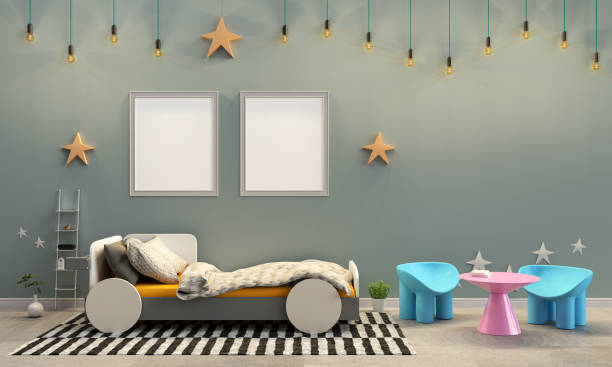
A modern kids’ room is not just about looks. It’s about how the space works for the child. Modern design focuses on three key things: function, flexibility, and fun.
Furniture that grows with your child is a big deal right now. Think beds with storage drawers underneath or desks that adjust in height. These pieces save money and reduce clutter at the same time.
Colors have also shifted. Soft earthy tones like sage green, warm beige, and dusty blue are replacing the bright, overstimulating shades of the past. These calmer colors help kids relax and sleep better, which is something every parent can appreciate.
Natural materials are trending too. Wood, cotton, and jute give rooms a warm, grounded feel. They’re also safer and more eco-friendly, which matters more to parents than ever before.
Popular Styles and Themes to Consider
There are many directions you can go when designing a child’s room. Some styles focus on imagination, while others lean toward simplicity. Here’s a quick look at some of the most popular options right now.
| Feature | Option / Type | Description |
|---|---|---|
| Color Palette | Earthy Neutrals | Soft greens, beiges, and warm whites that feel calm and cozy |
| Furniture Style | Multi-functional Pieces | Beds with drawers, foldable desks, and convertible cribs |
| Wall Decor | Peel-and-Stick Murals | Easy to apply, remove, and change as kids grow |
| Lighting | Warm LED Lighting | Soft, dimmable lights that support sleep and study |
| Storage Solutions | Built-in or Modular Units | Keeps the room tidy without taking up extra floor space |
As you can see, each style serves a practical purpose beyond just being pretty. That’s what sets modern design apart from older trends.
Practical Tips for Decorating Your Child’s Room
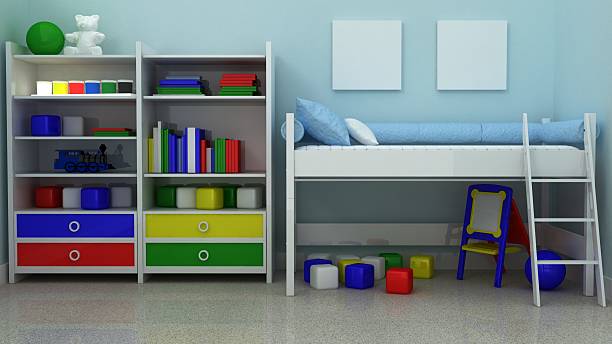
Start with a plan before buying anything. Measure the room, think about where the bed will go, and figure out how much storage you actually need. It’s easy to overbuy when you’re excited.
Involve your child in the process. Ask them about their favorite colors or what activities they love. When kids feel heard, they tend to take better care of their space.
Don’t forget about lighting. Natural light is great during the day, but you’ll also want a soft reading light near the bed and a brighter one near the desk. Layered lighting makes a huge difference in how a room feels.
Rugs are underrated. A good rug adds warmth, reduces noise, and gives kids a soft place to play on the floor. Choose one that’s easy to wash — trust me, you’ll need to wash it.
Benefits of Following Current Kids Room Trends
One big advantage is longevity. Modern designs tend to be more timeless than themed rooms. A sage green and wood-toned room will still look great in five years. A room plastered with a single cartoon character? Probably not.
Modern decor also supports child development. Organized, calm spaces help kids focus on homework, sleep more soundly, and feel less anxious. A clutter-free environment really does make a mental difference.
Resale value is another bonus. If you ever sell your home, a well-designed, neutral kids’ room is more appealing to buyers than a heavily themed one.
Common Mistakes Parents Make When Decorating Kids’ Rooms
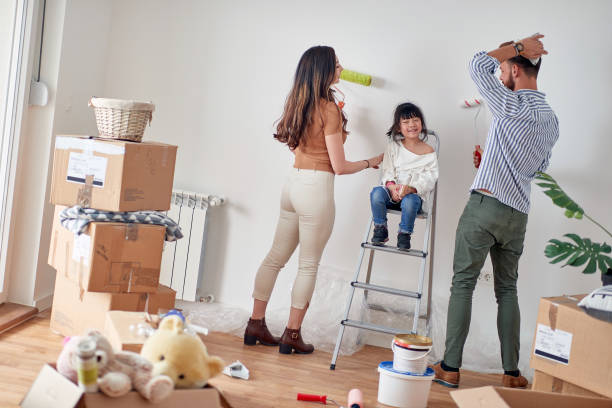
Buying too much furniture is one of the biggest errors. A small room with too many pieces feels chaotic. Choose fewer, smarter items instead.
Ignoring storage is another problem. Kids have a lot of stuff. Without proper storage, the room will always look messy no matter how nice the decor is.
Following trends too aggressively can backfire. If you redecorate every year based on what’s popular, it gets expensive fast. Focus on classic elements and add trendy touches with small, affordable items like throw pillows or wall prints.
Expert Tips for Getting It Right
Interior designers often say: design for the child you have, not the child you imagine. A five-year-old needs different things than a ten-year-old, so think about the next few years when making big purchases.
Use vertical space. Wall shelves, hanging organizers, and tall bookcases keep the floor clear and make small rooms feel bigger.
Don’t skip the ceiling. Painted ceilings, hanging mobiles, or star projectors can completely transform a room without touching a single wall.
Frequently Asked Questions
Q1: What are the best colors for a modern kids’ room?
Soft, neutral tones like sage green, warm white, and dusty blue work great. They’re calming, versatile, and easy to match with other decor.
Q2: How do I make a small kids’ room look bigger?
Use light colors, mirrors, and vertical storage. Avoid bulky furniture and keep the floor as clear as possible.
Q3: How often should I update my child’s room decor?
Major updates every three to five years is usually enough. Add small changes like new bedding or wall art more frequently to keep things fresh.
Conclusion
Designing a room your child will love doesn’t have to be overwhelming. By focusing on function, comfort, and smart storage, you can create a space that grows with your child over time. Following the right modern kids room decor trends means making choices that are both stylish and practical. Skip the impulse buys, involve your child in decisions, and keep things simple. A well-thought-out room supports better sleep, better focus, and happier kids — and that’s truly the best result any parent could hope for.
