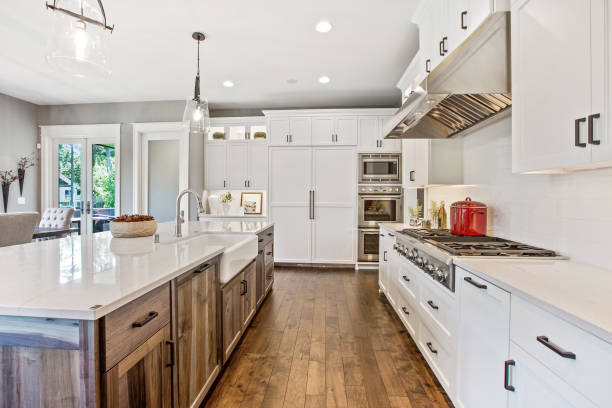
There’s something incredibly comforting about walking into a farmhouse kitchen. The mix of natural textures, soft colors, and lived-in warmth instantly makes you feel at home. Whether you’re renovating your entire space or simply updating a few details, farmhouse kitchen styling offers a welcoming look that works beautifully in both old homes and new builds.
Over the years, I’ve helped friends and followed many makeovers, and the best farmhouse kitchens always balance rustic charm with practical, everyday living. In this guide, you’ll find genuine inspiration and actionable ideas to create your own cozy retreat.
Why Farmhouse Kitchens Never Go Out of Style
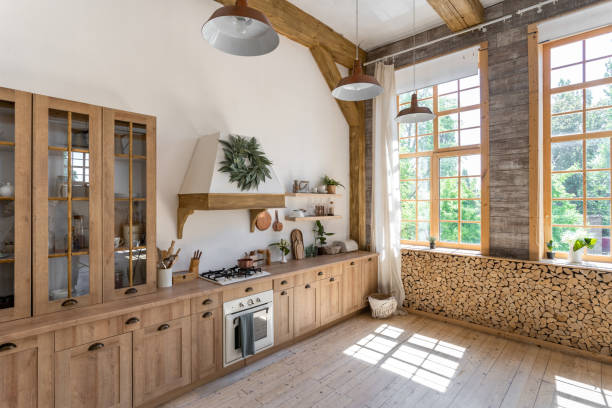
Farmhouse kitchens draw from a simpler time when cooking was a central part of family life. They emphasize function, durability, and beauty that develops with age rather than looking perfect and polished.
This style appeals because it feels authentic. Scratched wooden tables tell stories. Open shelves display favorite dishes. Natural light floods in through big windows. In today’s fast-paced world, these kitchens offer a peaceful escape where people actually want to gather.
The beauty of farmhouse styling lies in its flexibility. You can lean fully traditional with vintage pieces or blend in contemporary elements for a fresh “modern farmhouse” look.
Core Elements That Define Farmhouse Kitchen Style
Every successful farmhouse kitchen rests on a few key foundations:
Shiplap or Beadboard Walls These classic wall treatments add texture and character without overwhelming the space. Paint them in soft white or warm cream for a bright feel, or leave them natural for more rustic charm.
Freestanding Furniture Unlike built-in cabinetry, farmhouse kitchens often feature pieces that look like they could have been passed down through generations. Think a large wooden island on turned legs or a hutch displaying china.
Apron-Front Sinks Also known as farmhouse sinks, these deep basins are both beautiful and practical for washing large pots or handling meal prep.
Hardwood Flooring Wide-plank pine, oak, or reclaimed wood floors ground the space and add warmth underfoot.
Choosing the Right Color Palette
The best farmhouse kitchens use colors inspired by nature. Start with a neutral base and layer in soft accents.
Popular combinations include:
- Warm whites and creams paired with sage green
- Soft grays with muted blues
- Buttery yellows with deep navy
- Classic black and white with natural wood tones
Don’t be afraid to use color on cabinets. A deep green island against white perimeter cabinets creates beautiful contrast while staying true to farmhouse roots. Remember that natural light affects how colors appear, so test samples at different times of day.
Must-Have Materials and Textures
Texture brings farmhouse kitchens to life. Mix smooth surfaces with rough, aged finishes.
Wood is essential. Butcher block countertops, exposed beams, and reclaimed wood accents create instant warmth. For durability, many homeowners choose quartz countertops that mimic the look of marble or soapstone while handling heavy use.
Woven baskets, linen curtains, and cotton dish towels add soft layers. Iron hardware, vintage brass fixtures, and copper pots introduce subtle metallic elements that develop a lovely patina over time.
Lighting Ideas That Make a Difference
Good lighting transforms a kitchen from functional to inviting. Layer different types of light for the best effect.
A large statement chandelier or pendant lights over the island create a focal point. Choose styles with visible Edison bulbs or simple farmhouse shades in glass and metal.
Under-cabinet lighting makes food prep easier and highlights beautiful backsplashes. Wall sconces on either side of a range hood add cozy ambiance during evening meals.
For a finishing touch, incorporate small lamps on open shelving or countertops. These create pools of warm light that make the space feel lived-in and welcoming.
Styling Tips for Open Shelving and Countertops
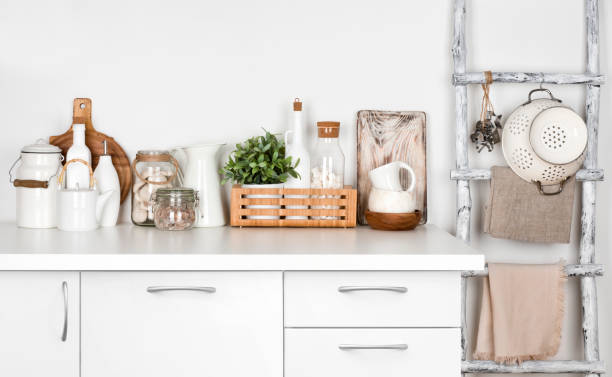
Open shelving is one of the most recognizable features of farmhouse kitchens. Style them thoughtfully:
- Mix different heights and shapes of dishes
- Include a few cookbooks for personality
- Add small plants or fresh herbs in pretty pots
- Display vintage finds like enamelware or antique scales
Keep countertops relatively clear for functionality. A wooden cutting board, a bowl of fresh lemons, and a ceramic pitcher with flowers provide simple, beautiful styling that changes with the seasons.
Adding Personal Touches and Modern Twists
The most charming kitchens reflect the people who use them. Display family heirlooms, children’s artwork, or meaningful souvenirs.
Modern farmhouse kitchens often blend clean lines with rustic elements. Stainless steel appliances work surprisingly well when balanced with plenty of wood and texture. A sleek quartz countertop can pair beautifully with a distressed farmhouse table.
Consider adding:
- A cozy reading nook in a corner
- Built-in bench seating at a large table
- Indoor herb garden near a sunny window
- Gallery wall of family photos or botanical prints
Practical Examples from Real Homes
One of my favorite inspirations features white cabinets, black hardware, and a butcher block island. The homeowner added a vintage runner rug and open shelves filled with white ironstone dishes. The result feels collected rather than decorated.
Another lovely example uses soft gray cabinets with a white subway tile backsplash. They incorporated floating shelves made from old barn wood and hung copper pots above the range. Fresh flowers on the table complete the welcoming feel.
Conclusion
Creating a beautiful farmhouse kitchen is about more than following trends. It’s about designing a space that supports how your family actually lives while surrounding you with warmth and character.
Take your time with the process. Start with the bigger elements like paint colors and cabinet hardware, then layer in textiles and accessories. The best farmhouse kitchens develop naturally over time as you add pieces that mean something to you.
Your kitchen should tell your story. Whether you prefer a more traditional look or a modern interpretation, focus on comfort and authenticity. After all, the most beautiful kitchens are the ones filled with good food, laughter, and people you love.
FAQs
What is the most important element in farmhouse kitchen styling? The mix of textures is usually the most important. Combining wood, metal, fabric, and stone creates depth and interest that makes farmhouse kitchens feel warm and collected.
Can I have a farmhouse kitchen in a small space? Absolutely. Focus on light colors, smart storage solutions, and a few key statement pieces. Open shelving and a properly scaled island or table can work wonders even in compact layouts.
How do I keep a farmhouse kitchen from looking dated? Balance classic elements with a few modern touches. Update hardware regularly, incorporate contemporary lighting, and avoid going overboard with overly themed accessories.
What colors work best for farmhouse kitchens? Neutrals form the foundation, but don’t be afraid to add soft pastels or deeper accent colors. White, cream, gray, sage, and navy are perennial favorites.
Is shiplap necessary for farmhouse style? Not at all. While popular, you can achieve the look through other textures like exposed beams, brick, or simply through furniture choices and accessories.
