Introduction
If you’re thinking about refreshing your interiors this year, wooden wall panels deserve a serious look. They bring instant warmth and character that paint or wallpaper often struggle to match. As we move through 2026, homeowners and designers are turning to wood not just for looks, but for the way it makes a space feel grounded and inviting.
I’ve followed interior design shifts for years, and the current direction feels refreshing. People want homes that feel personal and connected to nature rather than cold or overly polished. Wooden panels deliver exactly that.
Why Wooden Wall Panels Are Making a Comeback
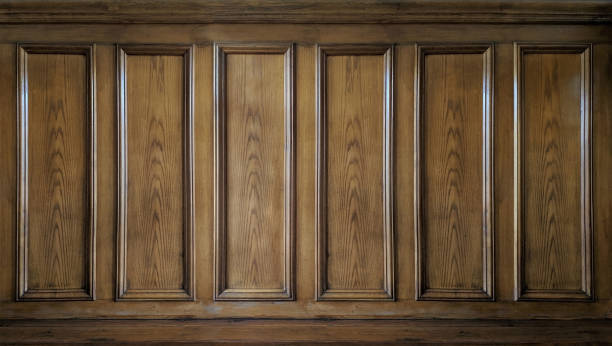
Wood has always had staying power, but today’s versions feel fresh and purposeful. Unlike trends that come and go quickly, wood panels offer texture, depth, and natural beauty that improve with time. They also help with acoustics and can even make rooms feel larger when used thoughtfully.
In 2026, the focus sits firmly on authenticity. Homeowners seek materials that tell a story and support well-being. Wood checks both boxes beautifully. Whether you live in a busy city apartment or a quiet suburban home, these panels can transform plain walls into something special.
Top Wooden Wall Panel Trends for 2026
Fluted and Slatted Designs
Fluted and vertical slat panels continue to lead the pack. These feature gentle grooves that catch light beautifully and add subtle movement to walls. Vertical installation remains popular because it draws the eye upward, making ceilings feel higher.
Imagine a living room feature wall with light oak slats paired with neutral furniture. The effect feels calm yet interesting. Many people now combine these with hidden lighting for evening ambiance.
Mixed Wood Tones
Gone are the days of matching every wood element perfectly. Designers now mix tones—like warm walnut with lighter oak—for richer, layered spaces. This approach adds depth without feeling busy when done carefully.
Try pairing darker baseboards with medium-tone panels and light furniture. The contrast creates visual interest that feels collected over time.
Reclaimed and Character-Rich Wood
Reclaimed wood brings history into modern homes. Each piece shows unique grain patterns, knots, and weathering that new wood simply cannot replicate. This trend appeals especially to those who value sustainability and storytelling in design.
A reclaimed panel accent wall in a dining area can become a natural conversation starter while reducing demand for new resources.
Curved and Organic Shapes
Straight lines dominated for years, but softer curves and arches appear more frequently in 2026. Wood panels shaped with gentle arcs add softness and flow. These work wonderfully in bedrooms or reading nooks where comfort matters most.
Acoustic and Functional Panels
Many homeowners now choose wood panels that also improve sound quality. Slatted designs with acoustic backing reduce echo in open-plan living areas. This makes them practical for home offices, media rooms, or families who enjoy music and conversation.
Sustainable Choices Leading the Way
Sustainability influences nearly every design decision in 2026. Fortunately, wooden panels align perfectly with eco-conscious living. Look for panels from responsibly managed forests or those made with reclaimed timber. Bamboo offers another fast-growing, renewable option that feels surprisingly luxurious.
Many manufacturers now use low-VOC finishes that keep indoor air healthier. When shopping, ask about certifications and sourcing. Small choices like these add up to a more responsible home.
How to Choose the Right Panels for Your Space
Start by considering the room’s purpose and lighting. Darker woods like walnut create cozy, intimate feelings in bedrooms or dining rooms. Lighter oaks or ash keep living areas bright and airy.
Think about maintenance too. Most modern panels come pre-finished and resist moisture better than older options. For high-humidity areas like bathrooms, choose specially treated woods or engineered options designed for those conditions.
Budget plays a role, of course. Solid wood offers premium beauty, while quality veneers and composites provide affordable alternatives with convincing natural looks. Both can work beautifully when chosen thoughtfully.
Practical Installation Tips and Examples

One homeowner I know transformed their bland hallway using vertical oak slats on one wall. The simple change made the space feel wider and more welcoming. They added picture lights above for soft illumination that highlights the wood grain beautifully.
In another project, a family used reclaimed panels behind their television. The texture hides cords easily while creating a warm focal point that elevates the entire living room.
For DIY enthusiasts, many modern panel systems click or slide into place with minimal tools. Always prepare walls properly and consider professional help for complex layouts or electrical work.
FAQs
Are wooden wall panels suitable for every room? Yes, with proper material selection. Use moisture-resistant options in bathrooms and kitchens, while standard panels work well in living areas and bedrooms.
How do I clean wooden wall panels? Most need only occasional dusting with a soft cloth. For deeper cleaning, use a slightly damp microfiber cloth and mild wood cleaner. Avoid harsh chemicals that could damage finishes.
Do wooden panels make rooms feel smaller? Not necessarily. Lighter colors and vertical slats can actually make spaces feel taller and more open. Test samples in your actual lighting before committing.
Are they expensive to install? Costs vary widely depending on material and complexity. Many affordable options exist that still deliver beautiful results. Factor in long-term durability when comparing prices.
Can I install panels over existing wallpaper? It’s usually better to remove old coverings first for the smoothest finish. However, some modern systems work over properly prepared painted walls.
Conclusion
Wooden wall panels in 2026 offer more than decoration—they create connection. They bring natural warmth, improve acoustics, and add lasting character that synthetic materials rarely match. Whether you choose bold fluted designs, subtle reclaimed wood, or a mix of tones, these panels help craft spaces that feel truly personal.
The beauty lies in their versatility. A single feature wall can refresh an entire room without requiring a full renovation. As you plan your next project, remember that good design serves both beauty and daily living.
Take time to explore samples in person and consider how different woods interact with your existing furniture and lighting. The right choice will reward you for years to come with a home that feels welcoming, timeless, and distinctly yours.
