Introduction
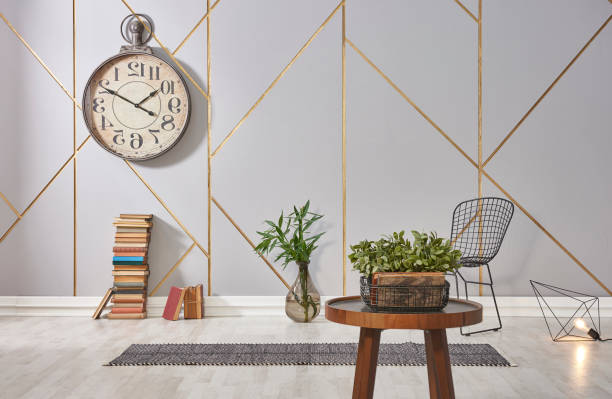
DIY Accent Wall Decor Inspiration, An accent wall can instantly change how a room feels. It adds personality, depth, and style without requiring a complete renovation. The best part? You don’t need professional help or a big budget to create one. With some creativity and basic DIY skills, you can craft a stunning focal point that reflects your taste.
Whether you live in a small apartment or a spacious home, DIY accent walls offer endless possibilities. They work beautifully in living rooms, bedrooms, dining areas, or even home offices. In this guide, you’ll find practical inspiration, easy project ideas, and helpful tips to get started.
Why Create a DIY Accent Wall?
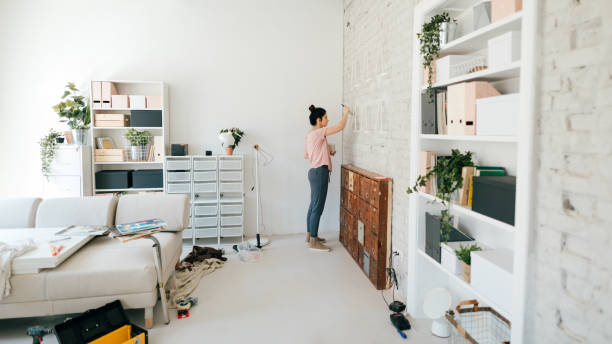
Accent walls draw the eye and create visual interest. They can make a small room feel larger or add coziness to a large space. Best of all, they let you experiment with color, texture, and pattern without committing to the entire room.
Many homeowners choose DIY projects because they’re cost-effective and satisfying. You control the final look, and the process can be a fun weekend activity. Plus, when guests visit, your custom wall often becomes the main conversation starter.
Choosing the Right Wall and Style
Before picking up a paintbrush, decide which wall will serve as your accent. Usually, it’s the wall you see first when entering the room or the one behind the bed or sofa.
Consider the room’s purpose and lighting. A bold design works well in lively spaces, while softer textures suit relaxing areas. Think about your existing furniture and color scheme. The accent wall should complement, not clash with, the rest of the decor.
Pro tip: Test your idea with painter’s tape or cardboard cutouts to visualize the result before starting.
Popular DIY Accent Wall Ideas
Here are some approachable and stylish options that have worked well for many homeowners.
Geometric Painted Accent Wall
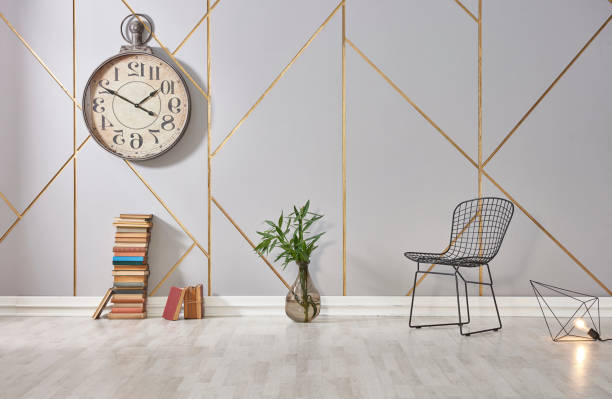
Geometric patterns remain popular because they look modern and clean. Triangles, chevrons, or hexagons can add energy to a space.
Start by painting the entire wall a light base color. Use painter’s tape to mark your design, then fill in shapes with bolder shades. This project needs only paint, tape, and patience. It’s perfect for living rooms or home offices.
Wood Paneling or Shiplap Accent Wall
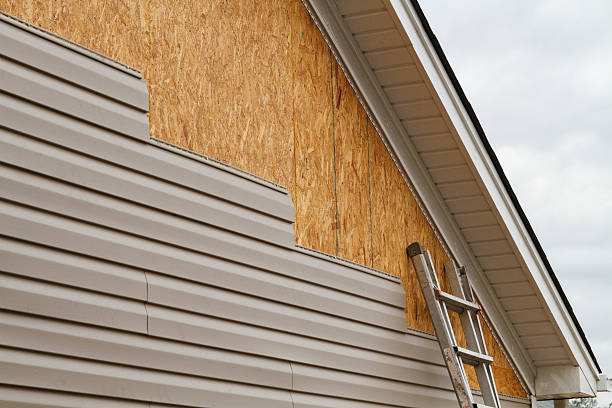
Wood brings warmth and texture. Reclaimed wood, affordable plywood, or pre-made shiplap panels create beautiful results.
You can install horizontal or vertical planks depending on the look you want. Horizontal lines make a room feel wider, while vertical lines add height. Many people use peel-and-stick wood panels for a no-nail option, making this ideal for renters.
Gallery Wall with Personal Touches
A gallery wall turns photos, artwork, and meaningful objects into a creative display. Mix frame sizes and styles for an eclectic feel.
Arrange pieces on the floor first to find the best layout. Use command hooks or small nails for easy adjustments. This idea works especially well in hallways, above beds, or in family rooms.
Textured Wallpaper or Fabric Wall
Wallpaper has made a comeback with removable options that are renter-friendly. Choose subtle textures like grasscloth or geometric patterns.
For a soft touch, stretch fabric over plywood panels and mount them on the wall. This creates a cozy, upholstered effect that absorbs sound too.
Macramé and Hanging Decor Ideas
For a boho or minimalist vibe, try hanging macramé pieces, woven wall hangings, or floating shelves with plants. Combine different heights and materials for dimension. This low-commitment option allows you to change the display seasonally.
Essential Tools and Materials
Most DIY accent wall projects require basic supplies:
- Measuring tape and level
- Painter’s tape
- Paint rollers, brushes, and trays
- Screwdriver and hammer
- Stud finder (for heavier installations)
- Safety gear like gloves and goggles
Choose quality materials within your budget. Many hardware stores carry affordable options that deliver great results.
Step-by-Step Tips for Success
- Prepare the surface — Clean the wall and repair any holes or cracks.
- Gather inspiration — Save photos from home decor sites or Pinterest for reference.
- Work in sections — Break the project into manageable steps rather than rushing.
- Allow drying time — Patience prevents smudges and peeling.
- Add lighting — Wall sconces or picture lights can highlight your finished accent wall beautifully.
Remember to take “before” photos. You’ll enjoy seeing the transformation later.
Common Mistakes to Avoid
Many beginners rush the planning stage. Always measure twice and test colors on a small area first. Lighting changes how colors appear, so check samples at different times of day.
Another common issue is overcrowding the design. Sometimes less is more. Start simple and build gradually if needed.
Finally, don’t ignore safety. Use proper ventilation when painting and secure heavy items properly.
Conclusion
Creating your own accent wall is one of the most rewarding home improvement projects. It brings new life to your space while letting your personality shine through. Whether you choose bold paint, warm wood, or a meaningful gallery display, the result will make your home feel more like you.
Start small, enjoy the process, and don’t be afraid to experiment. Your perfect DIY accent wall is waiting to be created. With a bit of time and creativity, you’ll have a beautiful focal point that makes every day at home more inspiring.
FAQs
How much does a DIY accent wall typically cost? Costs vary widely. A simple painted design might run $30–$80, while wood paneling can range from $100 to $400 depending on materials and wall size.
Can I do an accent wall in a rental apartment? Yes! Use removable wallpaper, peel-and-stick panels, or temporary fabric solutions that won’t damage walls when removed.
What colors work best for accent walls? Deep greens, warm terracotta, navy blue, and soft blush tones are popular. Choose colors that complement your room’s existing palette.
How long does it take to complete a DIY accent wall? Most projects take one to three days, including prep and drying time. Simpler designs can be finished in a single weekend.
Is an accent wall suitable for small rooms? Absolutely. In small spaces, lighter colors or textured elements can make the room feel bigger while adding interest.
